
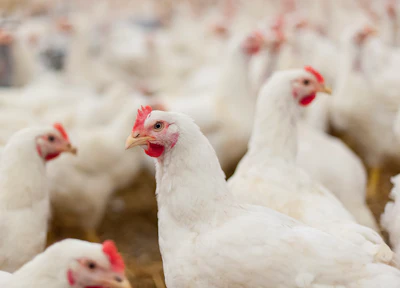
Broiler feed efficiency is influenced by immune function, as even healthy birds divert nutrients to immune activity, impacting growth and highlighting the need for balanced nutrition strategies.
Brand insights from Fortiva®
Broiler complexes pay close attention to nutrition, health, genetics and environmental conditions to ensure birds convert feed into growth as efficiently as possible. But feed efficiency is influenced by countless variables. Bird immune systems also play roles in how nutrients are used. Even when flocks appear healthy, immune function can quietly influence growth and performance.
Understanding how immune function affects feed efficiency can help poultry producers recognize why supporting immune balance is an important part of broiler nutrition programs.
1. Immune responses require energy
Every immune response comes with an energy cost. When birds are exposed to pathogens, their bodies activate a line of defense to protect against infection. These processes require nutrients and metabolic energy.
Energy that would be used to support growth and muscle development is instead used to produce immune cells, create disease-fighting compounds and regulate inflammation. When immune activity increases, less energy is available for growth.
2. Inflammation can reduce feed efficiency
Cytokines are molecules that signal when an immune response is needed. Some cytokines trigger inflammation, which is necessary for fighting disease.
On the flip side, excessive or prolonged inflammation can increase the bird’s metabolic demands. When large amounts of pro-inflammatory cytokines are produced, birds must use additional energy to manage that response. Over time, this can reduce feed efficiency because a larger portion of dietary energy is being taken away from growth.
3. Immune challenges aren’t always visible
Not every immune response results in obvious illness. In many cases, birds may appear healthy during routine health checks while still experiencing a low-level or subclinical immune response.
Environmental pathogens or mild gut upsets can activate the immune system without producing visible symptoms. These subtle responses may still increase energy requirements and reduce how efficiently birds convert feed into body weight. Because these challenges are difficult to detect, immune-related performance losses are sometimes described as a “hidden” cost in poultry production.
4. Gut health and immune function are closely connected
About 70-80% of a bird’s immune activity occurs in the gastrointestinal tract1, where bacteria and other environmental microbes live. When the gut barrier is compromised, pathogens and toxins can trigger immune responses.
Maintaining gut health helps prevent these challenges and allows birds to absorb nutrients more efficiently. Tight junctions between intestinal cells act as a barrier that protects the bird while supporting effective nutrient utilization.
5. Supporting immune balance can improve performance
The goal is not to suppress immune activity but to find an optimal balance. Birds need a responsive immune system to remain healthy. Management practices such as strong biosecurity, effective vaccination programs and consistent environmental conditions help to reduce disease pressure. Proper nutrition, including feed additives, can also play a role by providing tools that help regulate inflammatory responses and support gut health.
For production managers focused on maximizing feed efficiency, immune function is an important piece of the puzzle. Supporting a balanced immune function helps ensure that dietary energy is used for the bird’s growth and performance.
For more information on how Fortiva® can support your operation’s nutrition program, visit FortivaImpact.com.
Author: Mickie Metz, Ph.D., Technical Innovation Research Scientist, Fortiva
References
1 Kagnoff MF. Immunology of the Intestinal Tract. Gastroenterology. 1993;(105):1275-1280.