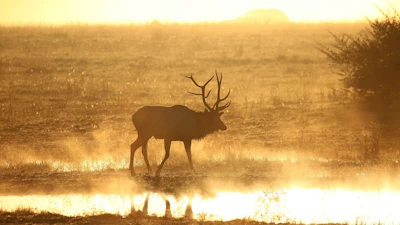
USDA's Animal and Plant Health Inspection Service has confirmed New World screwworm in an elk harvested on a game ranch in Pecos County, Texas. It is the first time the parasite has been found in U.S. wildlife.
The agency announced the finding Wednesday. A hunter harvested the elk and then reported. The same reports said the sample was confirmed Oct. 21 at the USDA Agricultural Research Service's Knipling-Bushland U.S. Livestock Insects Research Laboratory in Kerrville.
The detection sets off two responses. The Texas Animal Health Commission will change the boundaries of an infested zone it set up earlier. USDA and the state wildlife department are also doing more wildlife surveillance in the area.
The finding extends the outbreak into wildlife. USDA confirmed the first U.S. case of the current outbreak June 3 in a 3-week-old calf in Zavala County, Texas. Since then, Texas has used infested zones to control animal movement. In August, APHIS approved the release of two of those zones, which covered parts of La Salle and Webb counties.
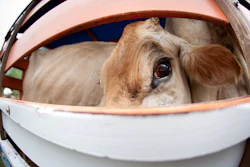
A wildlife case makes that approach harder. Livestock can be confined, inspected and treated. Free-ranging and ranch-held wildlife cannot be managed the same way, and they can share range with cattle.
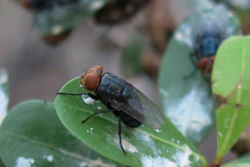
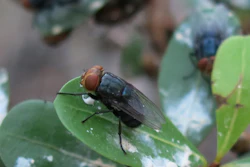
The pest is the larva of a fly that lays eggs in open wounds and body openings of warm-blooded animals. The larvae feed on living tissue. According to the Texas Parks and Wildlife Department, untreated infestations can kill wildlife within seven to 10 days.
USDA is counting on hunters to find the next case. Hunting seasons are continuing in Texas and other states, and the agency asked hunters to check for:
- visible maggots in wounds or body openings
- open, draining or enlarging wounds
- foul-smelling injuries
- animals that appear weak, lethargic or isolated
- signs of infestation around the nose, mouth, ears, eyes or genitals
Suspected wildlife cases in Texas can be reported to a local Texas Parks and Wildlife Department biologist or at 512-389-4505.
"Early reporting is one of the most important tools we have to protect wildlife, livestock, and pets in the United States," USDA said.
USDA did not release the boundaries of the modified infested zone. It also did not say whether other animals on the ranch were tested.