Elena Dzjuba | BigStock.com
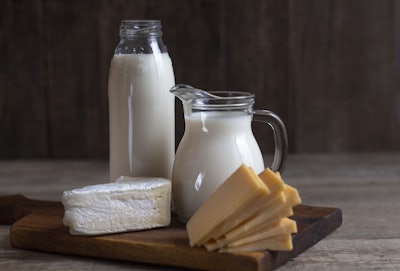
Highly pathogenic avian influenza, or H5N1, remains infectious in raw milk and cheese products, presenting new risks for consumers of these products and the farmers who make them, according to new research from Cornell University.
According to the study, which was published late last year in the journal Nature Medicine, ferrets that consumed H5N1-contaminated raw milk fell ill with the virus, while those fed raw-milk cheeses did not. However, the paper cautioned that H5N1 remains infectious in raw-milk cheese under specific conditions. The virus survived up to 120 days of aging in cheeses made at pH levels of 6.6 and 5.8.